
Biodiversity in Quin
Nature is part of everyday life in Quin. The village, on the banks of the River Rine, is home to a remarkable variety of habitats and wildlife. The ruins of the 14th century Franciscan Abbey provide an important roost for the protected Lesser Horseshoe Bats and Red-listed Swifts. Hedgerows, stone walls, church grounds, housing estates and historic buildings all support a connected network of habitats for plants, insects, birds, bats and mammals.
Our biodiversity work focuses on protecting and enhancing these natural assets through practical conservation, habitat management, citizen science, monitoring and community involvement. This work is guided by the Quin Biodiversity Action Plan 2025–2029, produced by ecologist Karen Loxton and funded by the Community Foundation for Ireland.
Quin Biodiversity Action Plan
2025–2029
The Quin Biodiversity Action Plan (2024), written by ecologist Karen Loxton and funded by the Community Foundation for Ireland, covers local habitats—streams, grasslands, hedges, stone walls, buildings, churchyards and homes. It recommends cutting pesticide use, controlling invasive species, planting for pollinators, monitoring rivers, managing grasslands, and running outreach and citizen-science projects. The plan runs to 2029 with yearly reviews.
Return to Nature Clare Church Biodiversity Project
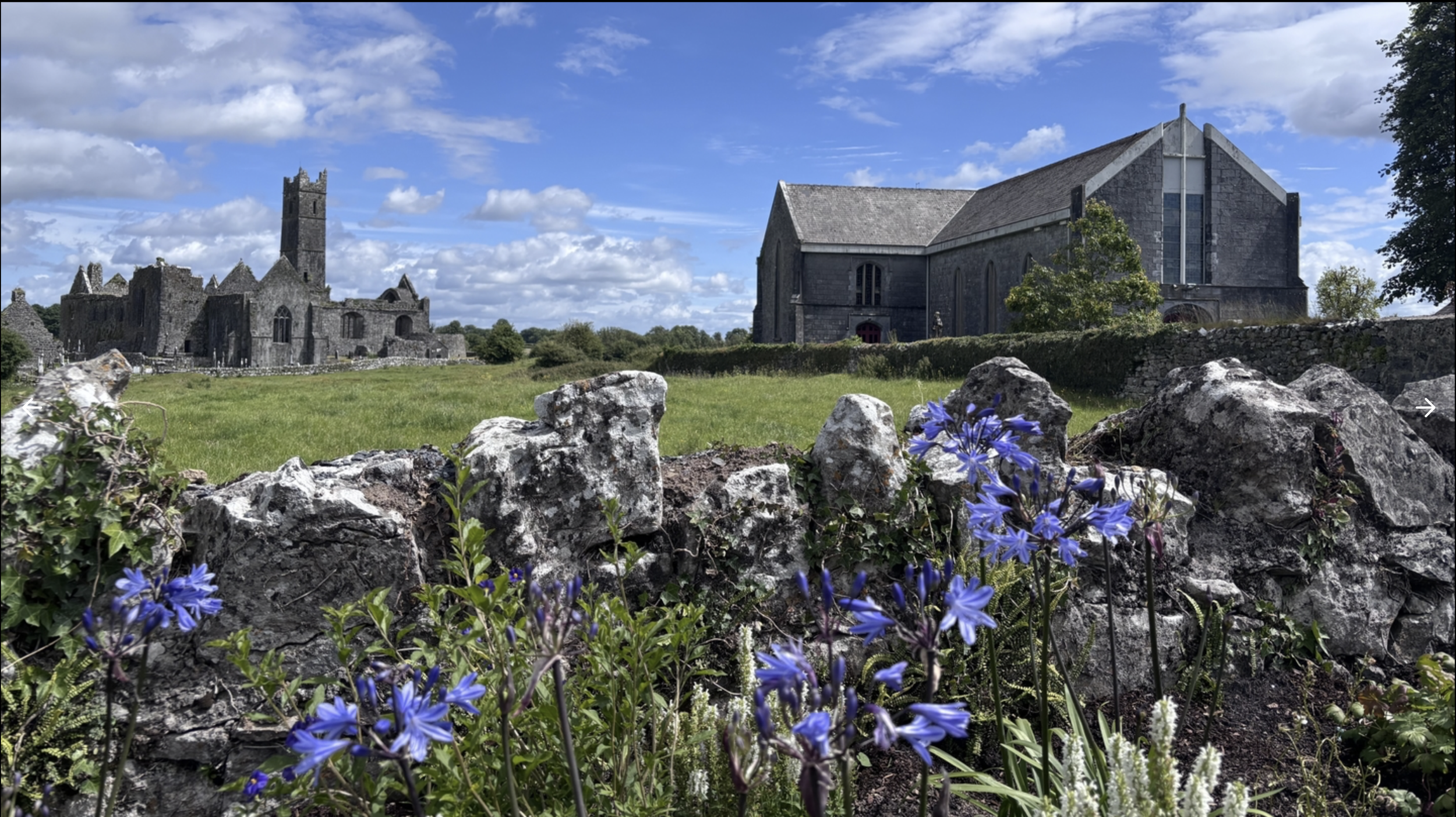
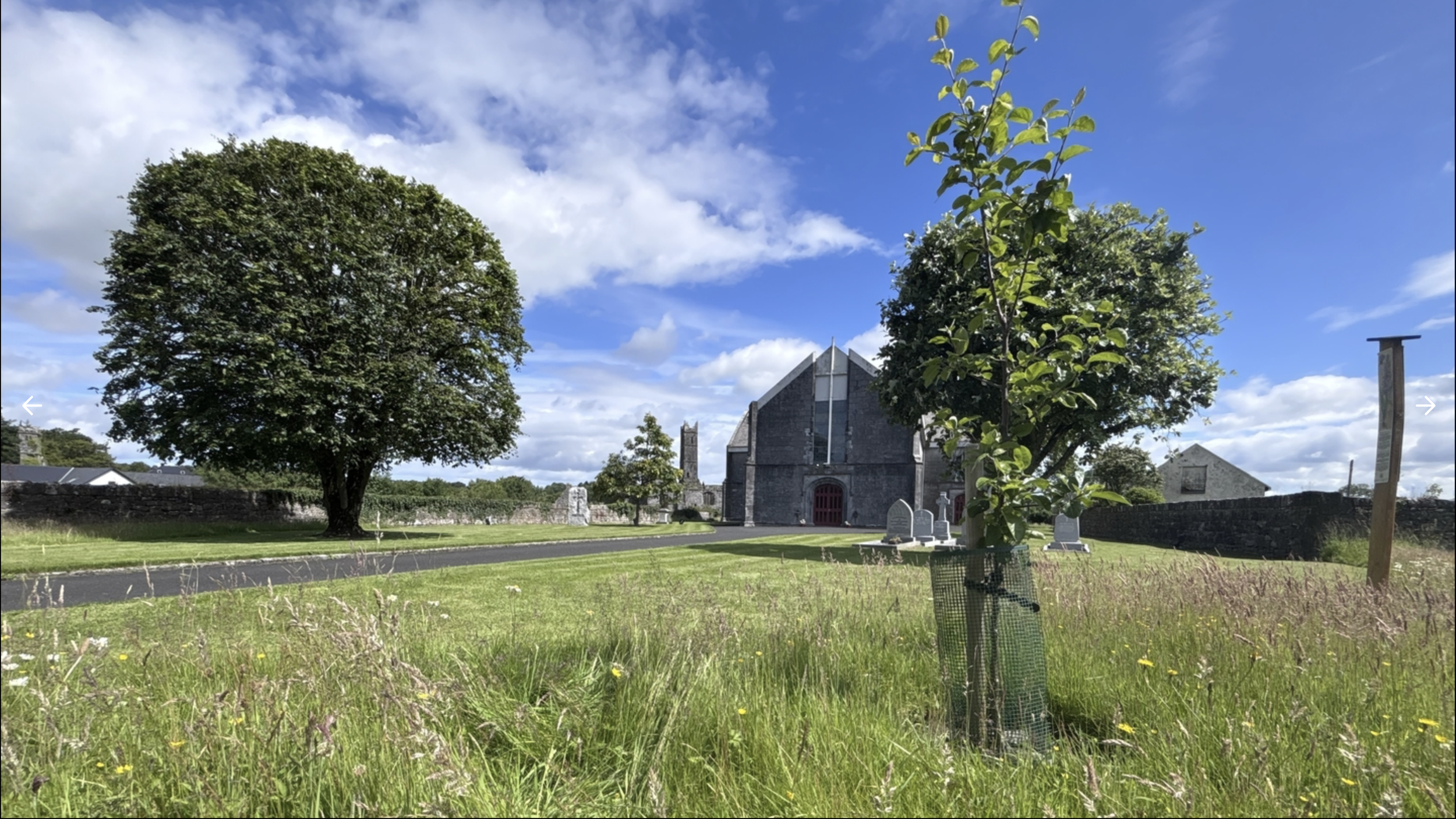
The Return to Nature – Clare Church Biodiversity Project is an initiative by Quin Village Tidy Towns to restore biodiversity around St Mary's Church, creating habitats for pollinators and wildlife while preserving the site's natural and cultural heritage.
Working with ecologists, volunteers and the local community, the project aims to demonstrate how historic church grounds can become thriving spaces for nature.
Our Project was featured on the RTÉ News. Read the article and watch the accompanying video to learn how the Clare Church Biodiversity Project has inspired communities across Ireland
Project Video
Watch this short video commissioned by Clare County Council about the Return to Nature - Clare Church Biodiversity Project, showcasing how the project has restored habitats for pollinators and wildlife and has inspired communities across Ireland
Project Gallery
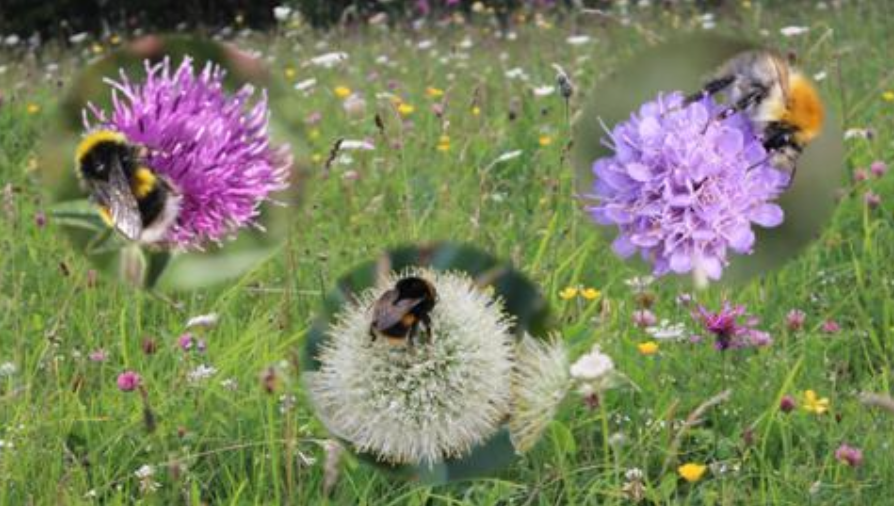
Wildlife in Quin
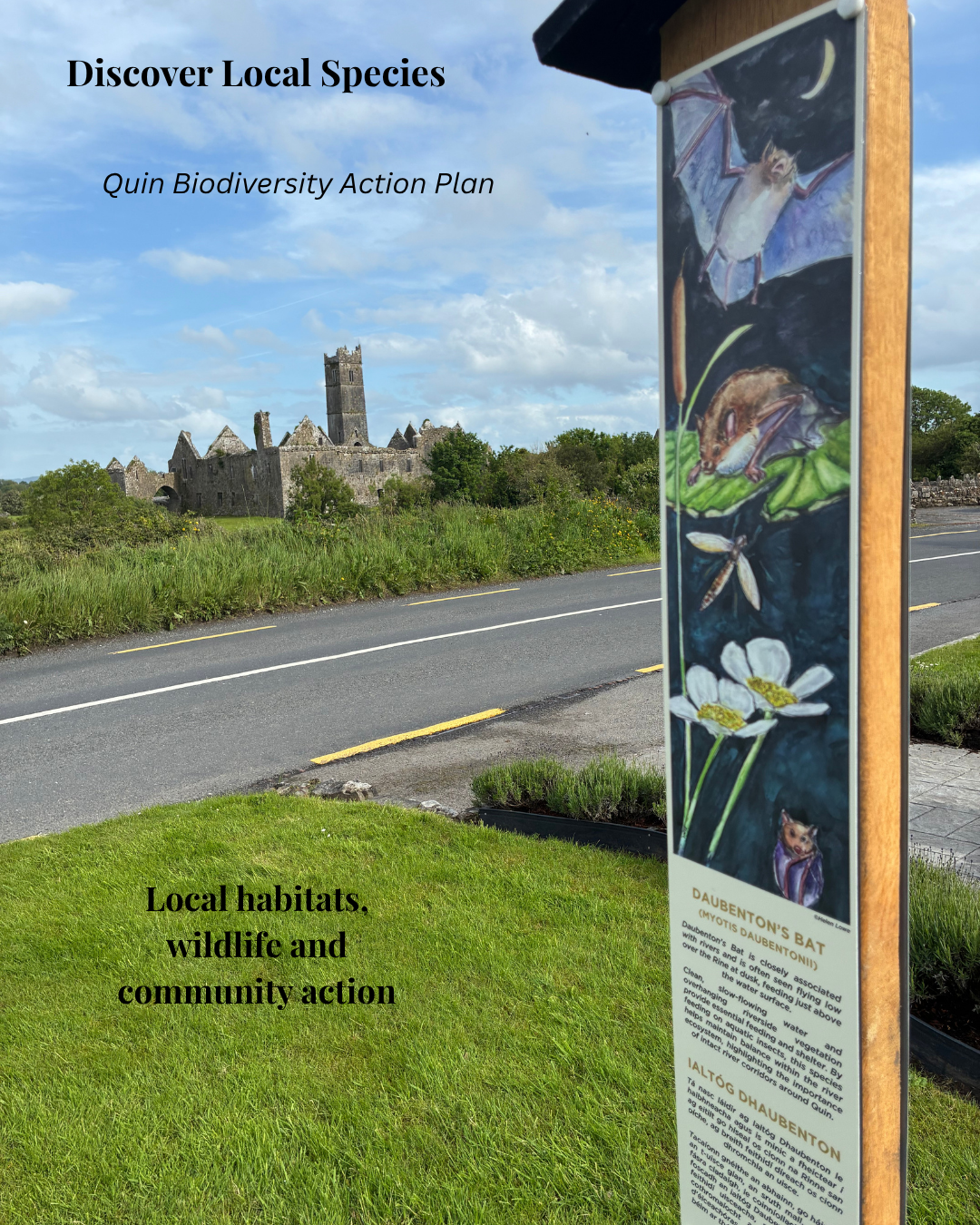
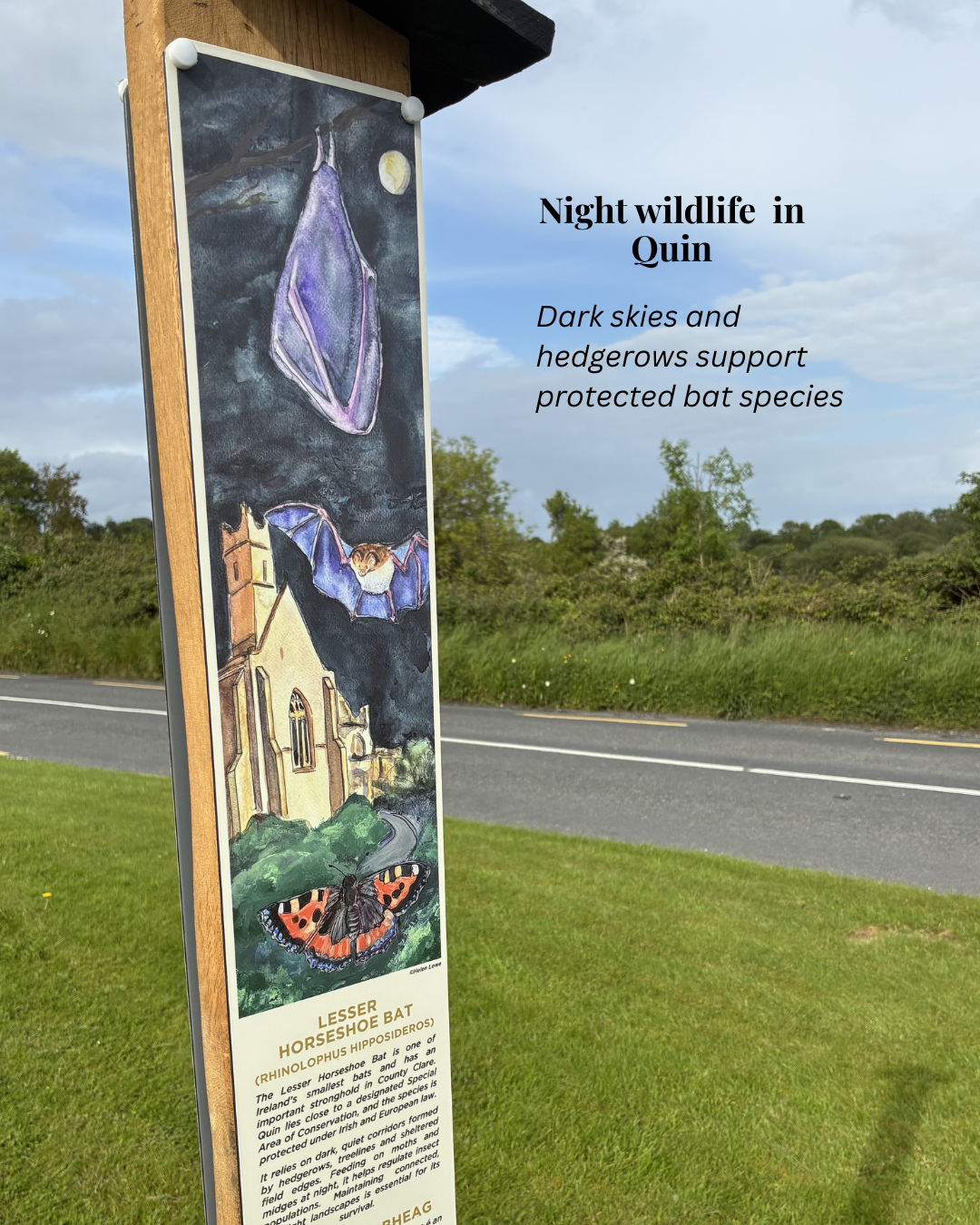
Quin hosts many protected and notable species. A Special Area of Conservation cave just south of the village is an important winter roost for the Lesser Horseshoe Bat; 95 were counted in January 2020. Seven of Ireland’s nine bat species have been seen locally.
Common Swifts return each May from southern Africa. Their numbers have fallen sharply in Ireland because nest sites are lost when buildings are renovated or demolished; Swift boxes are now on the abbey and St Mary’s Church.
The Red-listed Barn Owl has been seen here; a Barn Owl box was put on nearby farmland through the Return to Nature project.
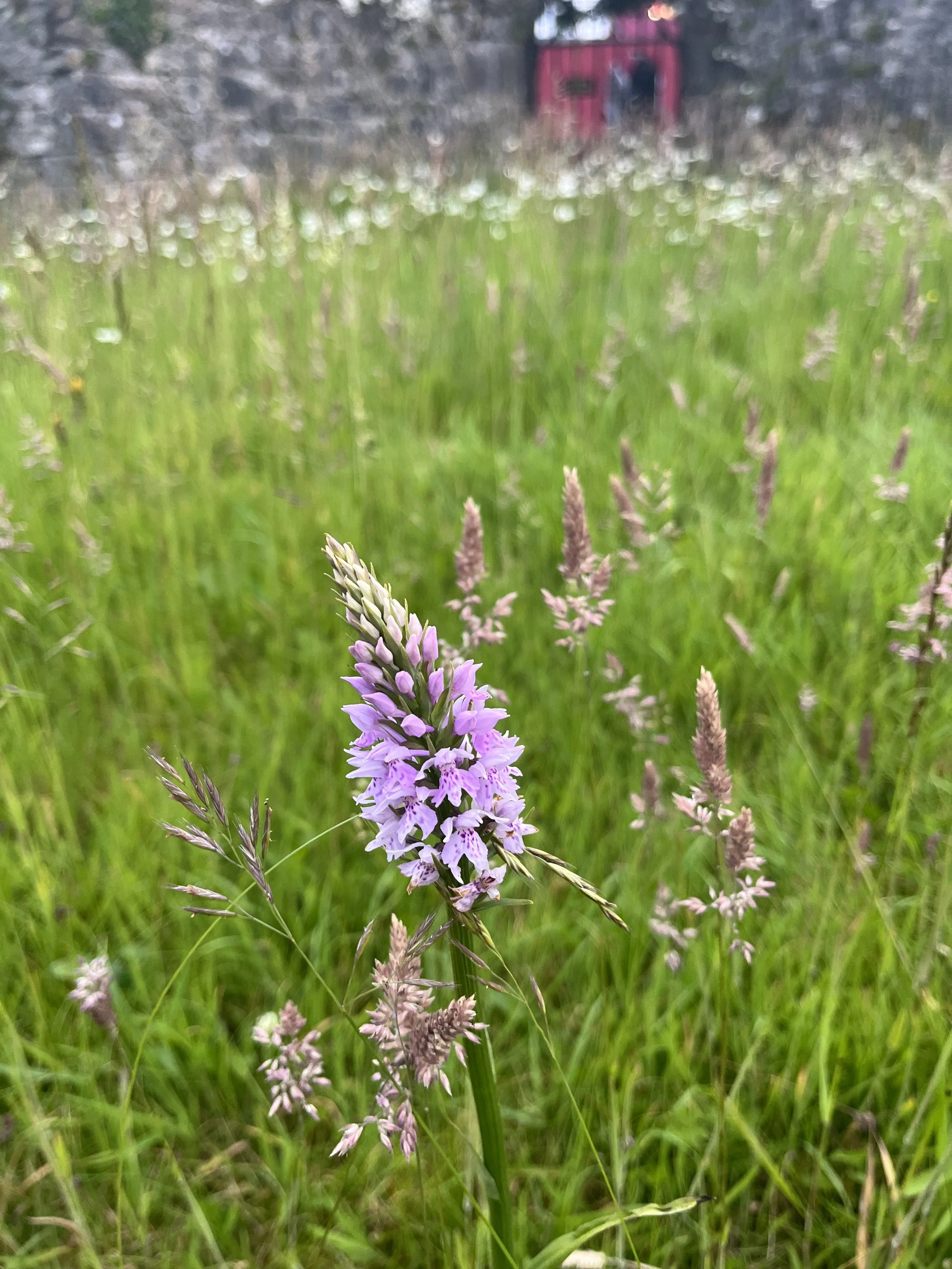
Other local animals include red squirrel, pine marten, badger, common frog and multiple bat species. Native wildflowers found in habitat surveys include oxeye daisy, common spotted orchid, yarrow, knapweed, self-heal, bird’s-foot trefoil, yellow iris and creeping cinquefoil.
What we do
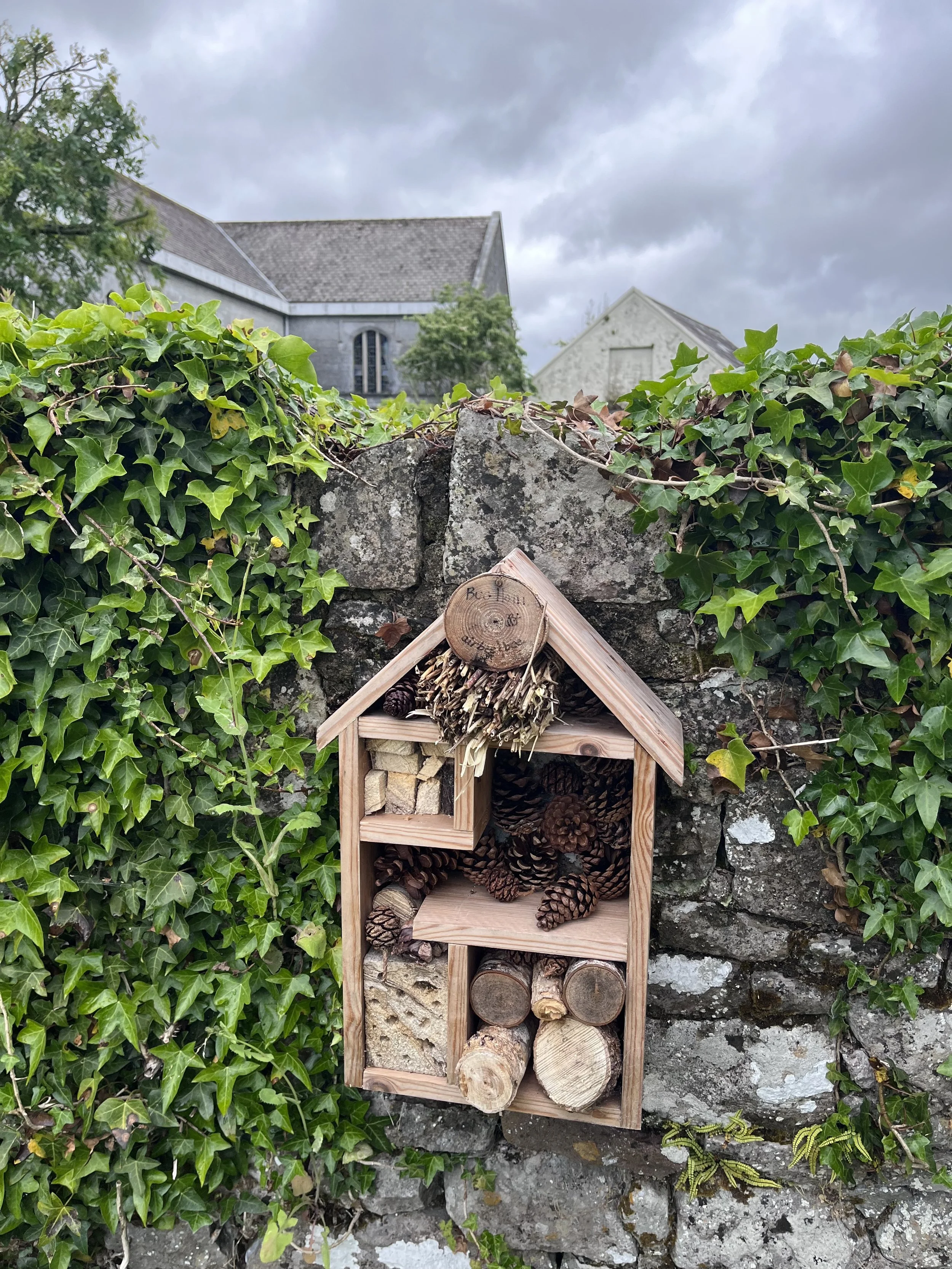
We manage grasslands and green spaces so wildflowers can flower and set seed, using long-flowering and short-flowering meadow methods recommended by the All-Ireland Pollinator Plan.
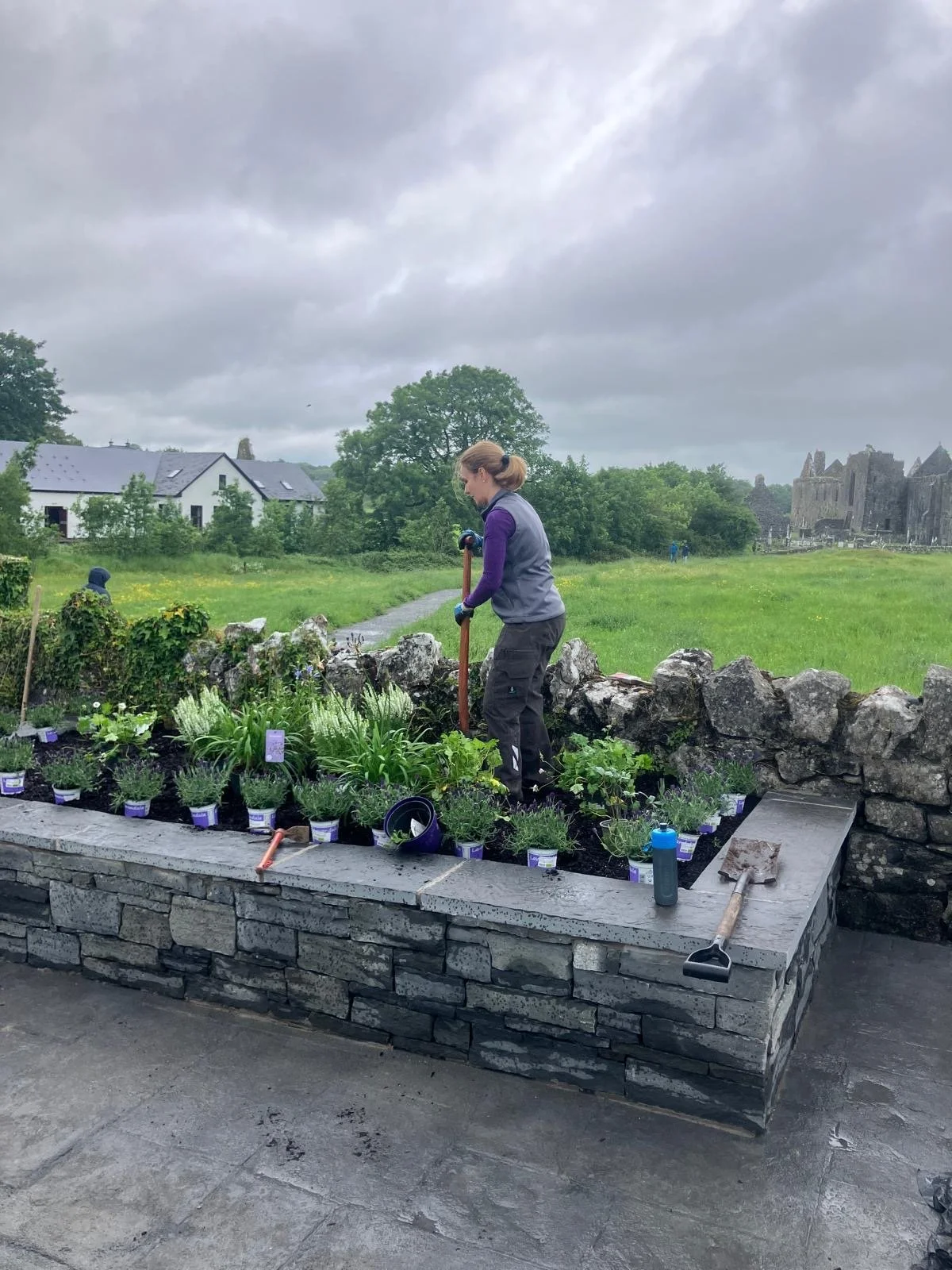
We support pollinators through native planting, pollinator-friendly flower beds, early-flowering bulbs, and pesticide-free management across all village sites we manage.
We are developing a dispersed community orchard across Quin's housing estates and shared spaces, with native apple trees planted through a workshop with Irish Seed Savers.
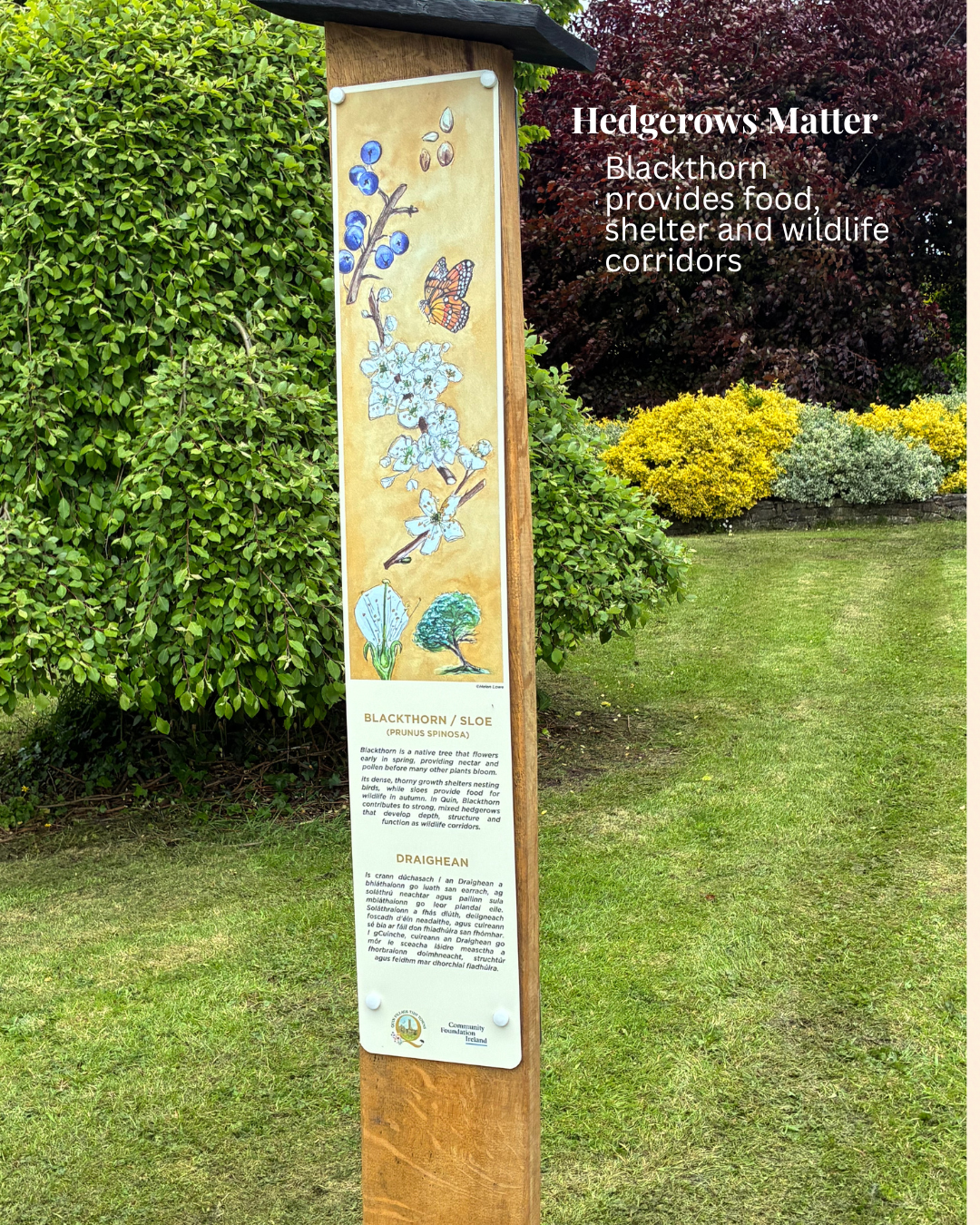
We protect hedgerows, mature trees and stone walls as wildlife corridors for bats, birds, insects and small mammals.
We have installed Swift boxes on St Mary's Church and near Quin Abbey, bat boxes throughout the village, and a Barn Owl box on nearby farmland.
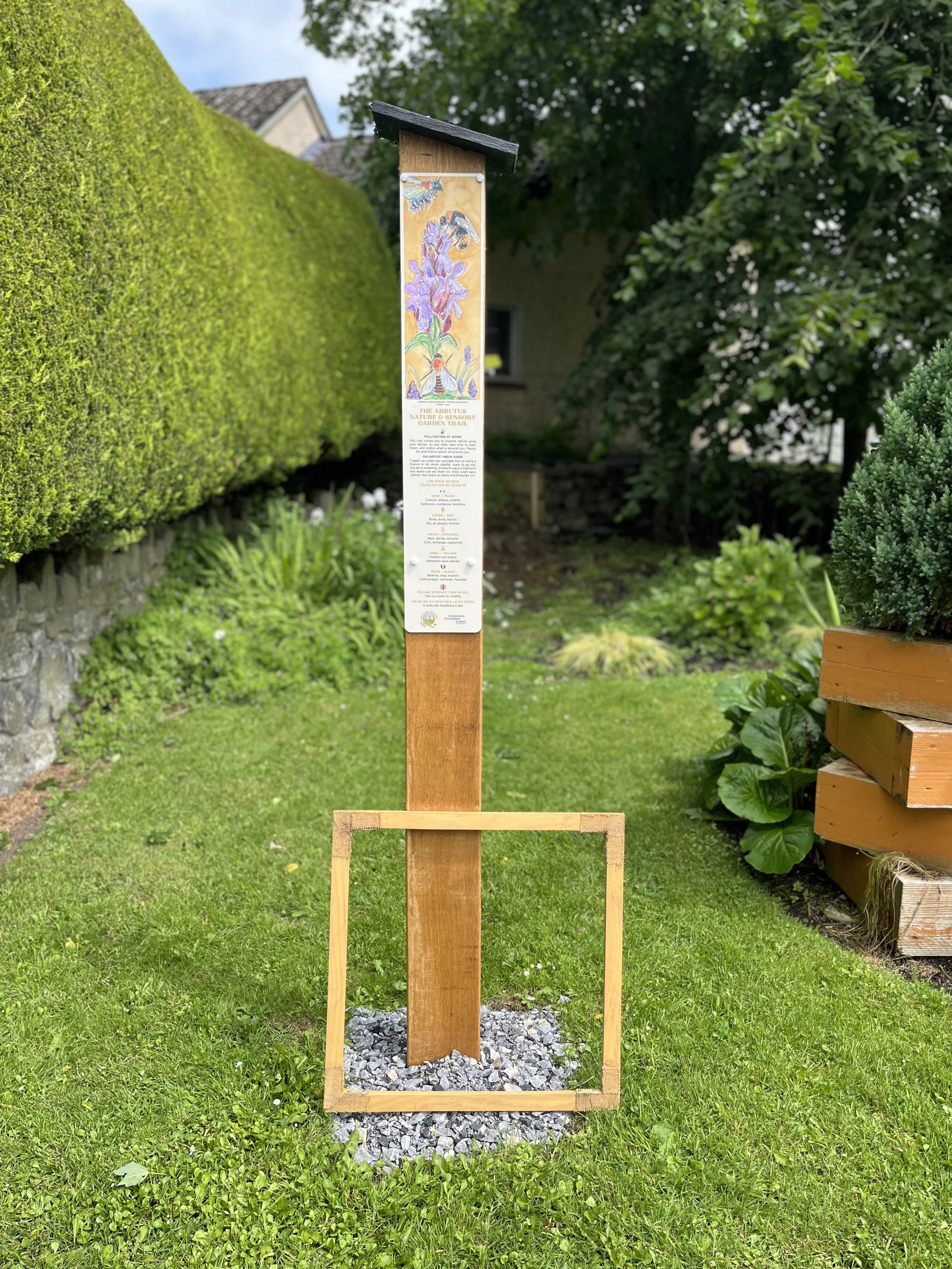
We enhance church grounds through the Return to Nature – Clare Church Biodiversity Project, which transformed the grounds of St Mary's Church into a pollinator sanctuary in 2025.
We use only peat-free compost and no pesticides or herbicides across all sites we manage.
Planning and monitoring
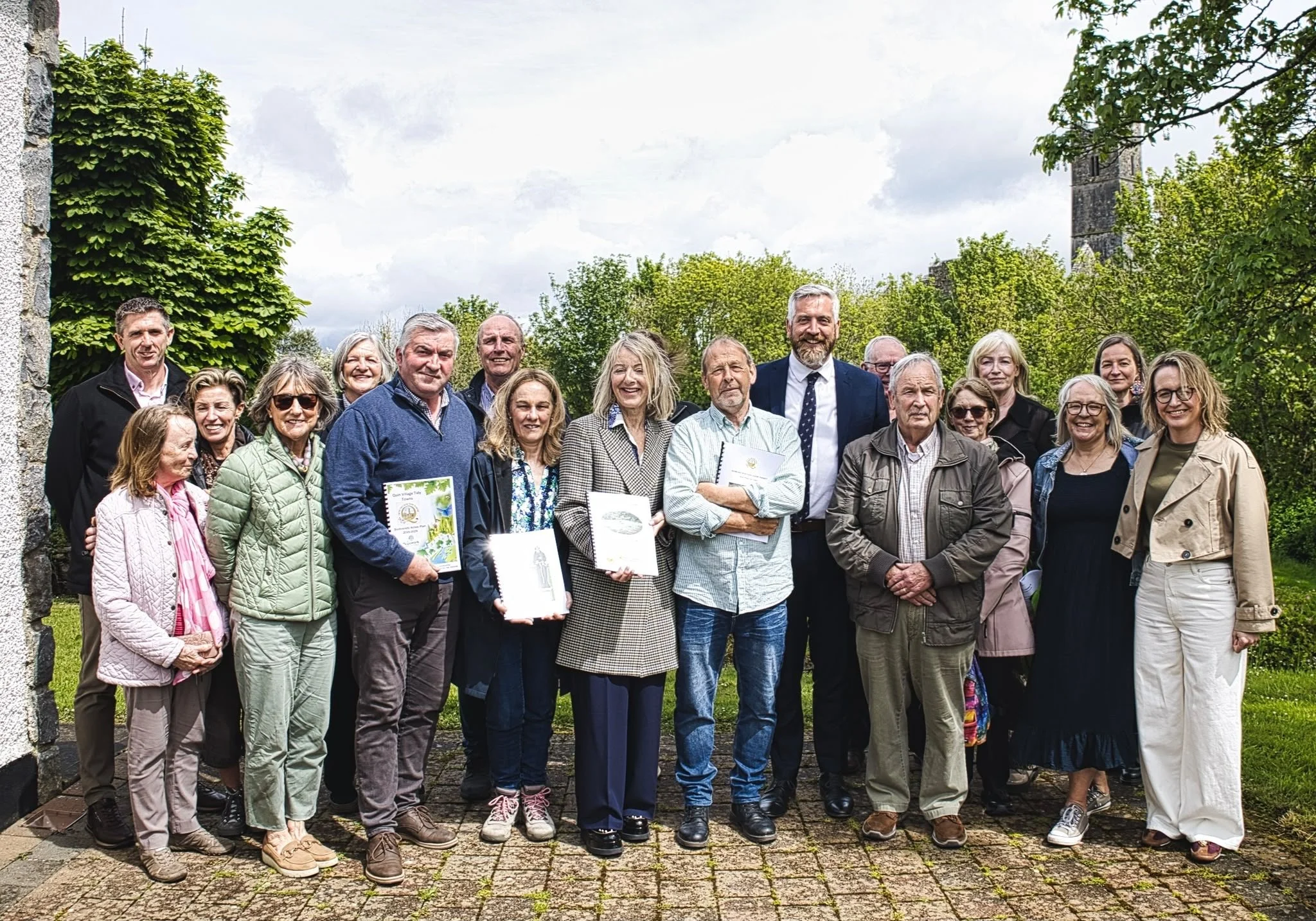
Members of the Quin Village Tidy Towns Committe with Minister Christopher O’Sullivan at the launch of the Biodiversity Action Plan on May 14th 2026
Biodiversity work in Quin is guided by the Quin Biodiversity Action Plan 2025–2029. The plan was produced following a desktop study of species records, habitat mapping and fieldwork carried out across the village in 2024.
We monitor progress through citizen science. We run Flower-Insect Timed Counts with Scoil na Mainistreach's Green Schools committee and local volunteers, submitting records to the National Biodiversity Data Centre. In 2026 we established a bumblebee monitoring transect at Quin Abbey as part of the All-Ireland Bumblebee Monitoring Scheme. We also run a local iNaturalist biodiversity project to support community involvement and awareness.
Get Involved
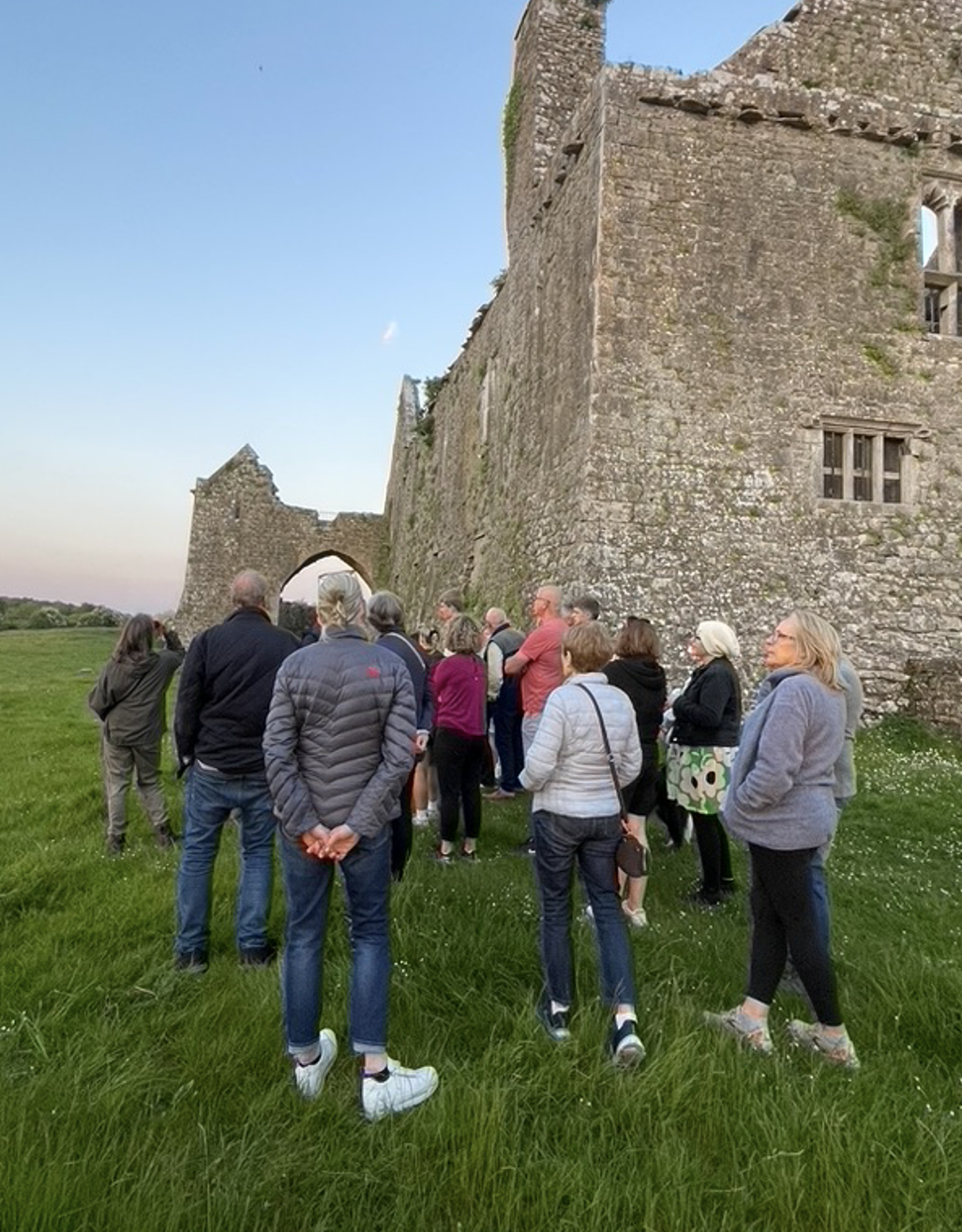
Biodiversity monitoring and practical work in Quin is open to everyone. You can join a bumblebee monitoring walk at Quin Abbey, take part in a Flower-Insect Timed Count, record species on the Quin iNaturalist project, or come along to a planting day or volunteer morning